

The History of Chess: A Beginner's Guide
- Taeps Taeps
- 6 days ago
- 4 min read

Chess is more than just a game; it is a rich tapestry of history, strategy, and culture that has captivated minds for centuries. From its origins in ancient India to its status as a global phenomenon today, chess has evolved significantly. This guide will take you through the fascinating history of chess, providing insights that will enhance your appreciation of this timeless game.
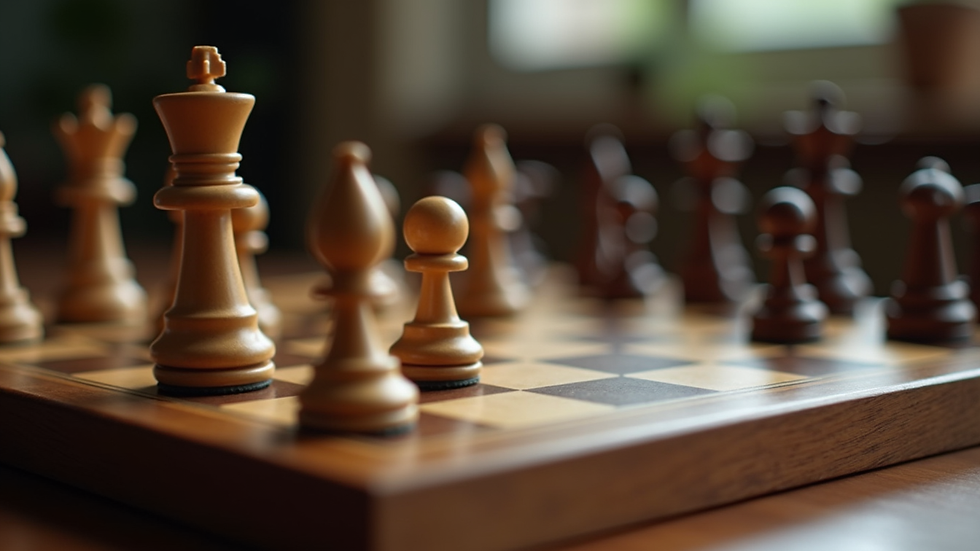
The Origins of Chess
The earliest form of chess can be traced back to the 6th century in India, where it was known as Chaturanga. This game was played on an 8x8 board and featured pieces that represented different military units, including infantry, cavalry, elephants, and chariots. The objective was to checkmate the opponent's king, a concept that remains central to chess today.
Chaturanga to Shatranj
As Chaturanga spread to Persia, it evolved into Shatranj. The Persians introduced new rules and terminology, many of which are still used in modern chess. For example, the term "checkmate" comes from the Persian phrase "Shah Mat," meaning "the king is helpless." The game gained popularity in the Islamic world, where it was further refined and spread to Europe through trade and conquest.
Chess in Europe
By the 15th century, chess had made its way to Europe, where it underwent significant changes. The pieces were redesigned, and the rules were modified to create a faster-paced game. The introduction of the queen as the most powerful piece was a notable change, reflecting the growing influence of women in society at the time.
The Birth of Modern Chess
The modern rules of chess were established in the late 19th century. The first official World Chess Championship took place in 1886, marking the beginning of competitive chess as we know it today. Wilhelm Steinitz became the first official world champion, and his victory set the stage for future champions and tournaments.
The Rise of Chess in the 20th Century
The 20th century saw chess gain unprecedented popularity, thanks in part to the rise of international tournaments and the emergence of legendary players. Figures like José Raúl Capablanca, Alexander Alekhine, and Mikhail Botvinnik dominated the chess scene, each contributing to the game's development through their unique styles and strategies.
The Cold War and Chess
The Cold War era brought chess into the spotlight, particularly during the famous 1972 World Championship match between American Bobby Fischer and Soviet Boris Spassky. This match was not just a battle of wits; it symbolized the ideological clash between the United States and the Soviet Union. Fischer's victory sparked a chess boom in America, leading to increased interest and participation in the game.
Chess in the Digital Age
With the advent of computers and the internet, chess has entered a new era. Online platforms have made the game accessible to millions, allowing players to compete against others from around the world. Chess engines, such as Stockfish and AlphaZero, have revolutionized how players analyze and improve their game.
The Impact of Technology
Technology has not only changed how chess is played but also how it is taught. Online tutorials, videos, and interactive lessons have made learning chess easier than ever. Players can now access resources that were once only available to elite competitors, democratizing the game and fostering a new generation of enthusiasts.
The Cultural Significance of Chess
Chess is more than just a game; it is a cultural phenomenon that has influenced art, literature, and philosophy. Many famous writers and thinkers, including Marcel Duchamp and Albert Einstein, were avid chess players. The game has been depicted in countless works of art, symbolizing strategy, intellect, and the complexities of human nature.
Chess in Popular Culture
Chess has also made its mark in popular culture, appearing in movies, television shows, and even video games. The Netflix series "The Queen's Gambit" reignited interest in chess, showcasing the beauty and complexity of the game while inspiring a new wave of players.
Learning Chess: A Beginner's Perspective
For those new to chess, understanding the basics is essential. Here are some key concepts to get you started:
The Chessboard and Pieces
The Board: An 8x8 grid with alternating light and dark squares.
The Pieces: Each player starts with 16 pieces: one king, one queen, two rooks, two knights, two bishops, and eight pawns.
Basic Rules
Objective: The goal is to checkmate your opponent's king.
Movement: Each piece has its own unique way of moving. For example, rooks move in straight lines, while bishops move diagonally.
Opening Strategies
Understanding opening strategies can give you a significant advantage. Here are a few popular openings:
The Italian Game: A classic opening that focuses on quick development and control of the center.
The Sicilian Defense: A counter-attacking opening that allows Black to challenge White's control of the center.
Conclusion
The history of chess is a testament to its enduring appeal and complexity. From its ancient origins to its modern-day popularity, chess continues to captivate players of all ages. Whether you are a beginner or an experienced player, understanding the rich history of chess can deepen your appreciation for the game. So, gather your pieces, set up the board, and immerse yourself in the world of chess. The next move is yours!

Comments